Introduction to Our Catalog
This comprehensive catalog provides educational information about various botanical compounds and their traditional uses in supporting joint health and mobility. Each entry details the botanical source, its properties, historical uses, and how it contributes to supporting a lifestyle of comfort and flexibility.
The botanicals presented here represent those most frequently cited in traditional medicine systems and contemporary research into joint health support. This catalog is organized for ease of learning and reference.
Featured Botanicals
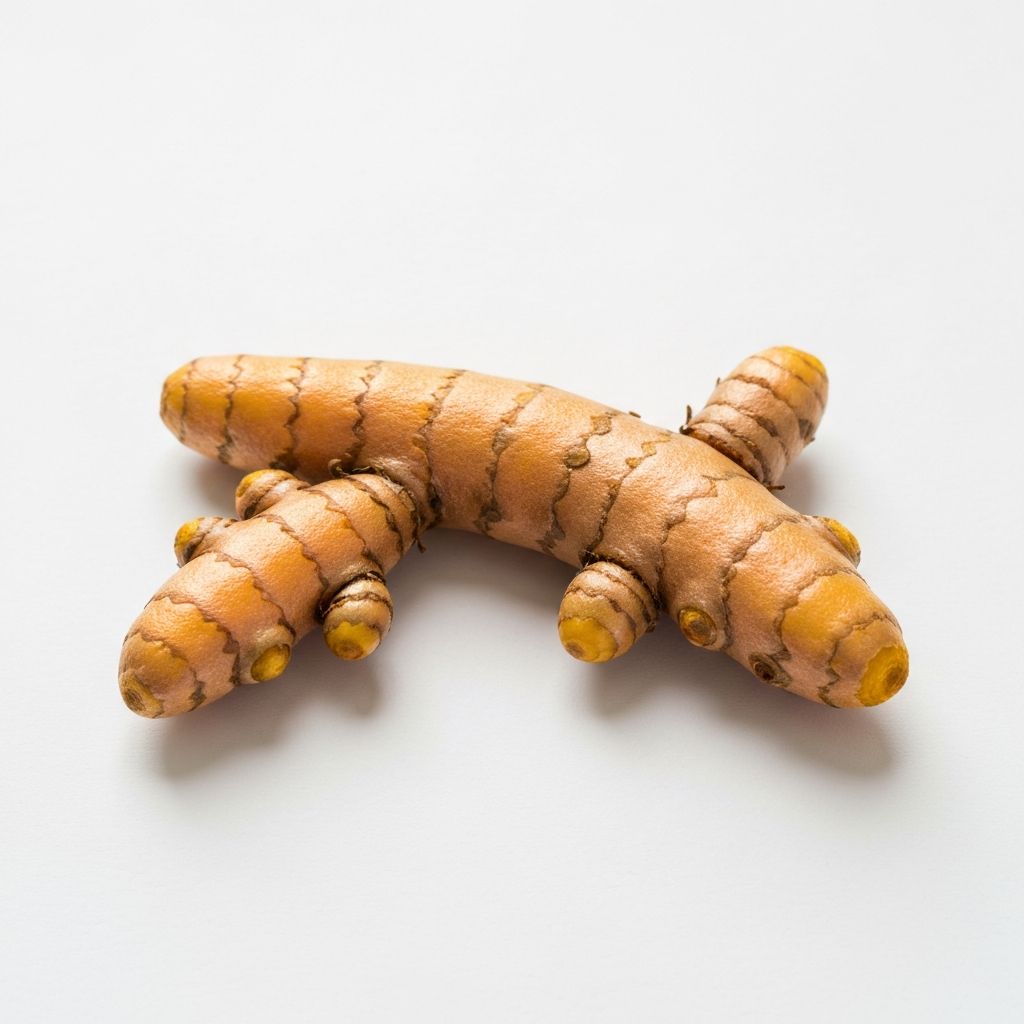
Turmeric
Botanical Name: Curcuma longa
Turmeric is a golden-yellow rhizome native to South Asia. Contains curcumin and other active compounds. Traditional use spans over 4,000 years in Ayurvedic and traditional Chinese medicine. Supports the body's natural response systems.
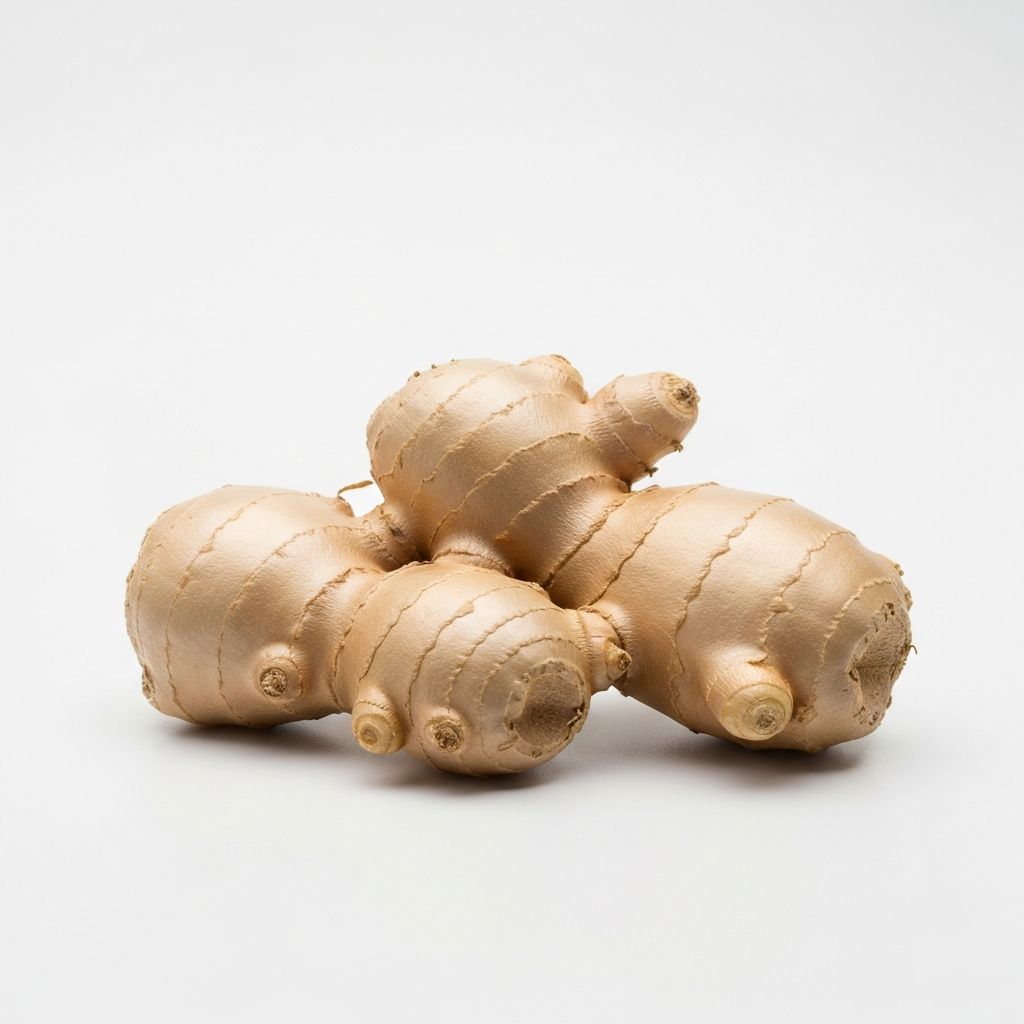
Ginger
Botanical Name: Zingiber officinale
Ginger rhizome has warming, aromatic properties and contains gingerols and shogaols. Used for centuries across Asian cultures. Supports the body's normal physiological responses and maintains comfort during activity.
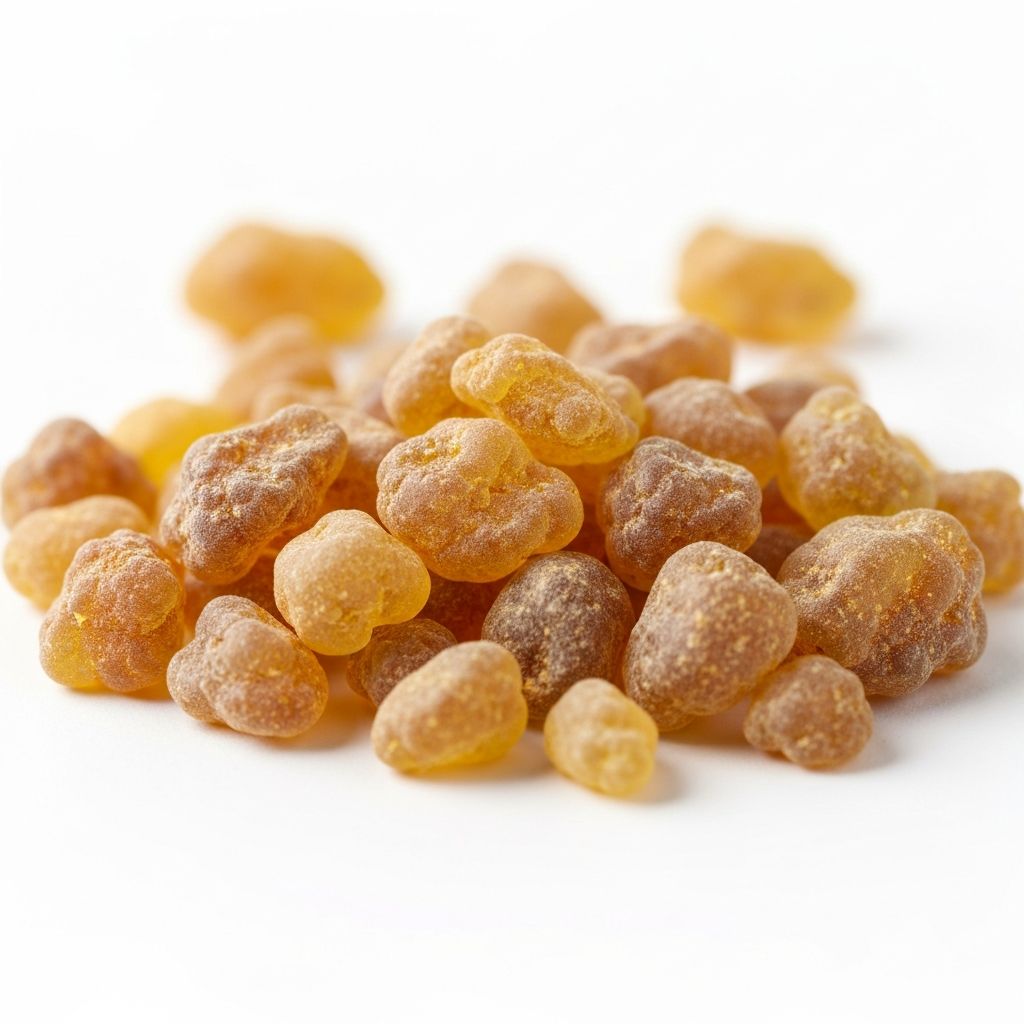
Boswellia
Botanical Name: Boswellia serrata
Boswellia resin is obtained from tree bark and has been valued in traditional Ayurvedic medicine for centuries. Contains boswellic acids. Supports comfort and mobility while maintaining normal immune response.
Willow Bark
Botanical Name: Salix alba
White willow bark contains salicin and has been used by various cultures for supporting comfort. Traditional use documented in European herbalism. Supports normal inflammatory response of the body.
Devil's Claw
Botanical Name: Harpagophytum procumbens
Devil's claw root is native to Southern Africa. Contains harpagoside and has been traditionally used for supporting joint comfort. Supports the body's natural mechanisms for maintaining mobility.
Meadowsweet
Botanical Name: Filipendula ulmaria
Meadowsweet flower and leaf have been valued in European herbalism. Contains salicylates and tannins. Traditionally used to support comfort and maintain healthy inflammatory response in the body.
Understanding Botanical Properties
Active Compounds and Their Functions
Botanicals contain diverse compounds that interact with the body in different ways. Understanding these properties helps explain why certain plants have been valued for centuries and continues to inform contemporary botanical science.
Primary Classes of Botanical Compounds
- Polyphenols: Including flavonoids and tannins, these compounds have antioxidant properties
- Alkaloids: Nitrogen-containing compounds with diverse biological activities
- Glycosides: Compounds that break down to release active components
- Essential Oils: Volatile compounds with various physiological effects
- Minerals and Vitamins: Essential nutrients supporting normal body function
- Polysaccharides: Complex carbohydrates with immune-supporting properties
Extraction and Standardization
Different extraction methods yield different compound profiles. Standardized extracts ensure consistent levels of specific active compounds. This allows for more reliable and predictable formulations in botanical preparations.
Traditional Uses Across Cultures
Ayurvedic Medicine
In the traditional Indian system of Ayurveda, botanical support for joint health has been documented for millennia. Turmeric, ginger, and boswellia are central to this approach, used individually and in combination formulas.
Traditional Chinese Medicine
Chinese herbal medicine incorporates botanicals for supporting circulation, flexibility, and joint comfort. Ginger and other warming botanicals are considered important for maintaining healthy movement patterns.
European Herbalism
European traditions, documented in herbals dating back centuries, include willow bark and meadowsweet for supporting comfort and maintaining healthy inflammatory response in the body.
African Traditions
African herbalism, particularly in Southern Africa, incorporates botanicals such as Devil's Claw for supporting joint comfort and mobility—a use that has now gained international recognition.
How to Use This Catalog
Educational Exploration
- Use this catalog to understand the botanical basis for traditional practices
- Learn about the properties and traditional uses of various botanicals
- Understand the differences between various botanical forms and extracts
- Explore how botanicals have been valued across different cultures
Further Research
- Use this information as a foundation for deeper personal research
- Consult with healthcare professionals about botanical support
- Explore peer-reviewed scientific literature on botanical compounds
- Consider your individual health situation when exploring botanical options
Important Reminders
- This catalog is educational only, not medical advice
- Individual responses to botanicals vary based on many factors
- Quality and sourcing of botanical products matters significantly
- Consult healthcare professionals before making health decisions
- This information does not replace professional medical care
Limitations and Context
The information presented on Hilax is for educational purposes only and is not intended as medical advice. It should not be used to diagnose, treat, cure, or prevent any disease. Individual results may vary, and a balanced approach to well-being often involves diverse methods. This content does not replace professional medical consultation, diagnosis, or treatment. Please consult with a qualified healthcare professional before making significant changes to your health regimen or if you have specific health concerns.